By using this site, you agree to the Privacy Policy and Terms of Use.
Accept
Monday, Jan 5, 2026
  • Opinion
  • Featured
  • Editor's Pick
  • Legal
  • women
  • Politics
  • women empowerment
  • India
Search
Login
Champion Women Empowerment
Support The Womb with $15 each month!
Support US
Dhwani
  • Opinion
  • Featured
  • Editor’s Pick
  • Legal
  • Politics
Reading: Annual Status Of Education Report, 2019 Shows Harsh Reality Of Rural Education In India, State Of Girl’s Education Doesn’t Look Promising Either
Explore by Topics
Subscribe
Font ResizerAa
DhwaniDhwani
  • World
  • International
  • Business
  • Lifestyle
  • Culture
  • Travel
  • Sport
Search
  • Categories
    • Travel
    • Sport
    • Culture
    • Business
    • Lifestyle
  • More Foxiz
    • Login
    • Contact
    • Blog
    • Buy Theme
Have an existing account? Sign In
Follow US
© 2026 Foxiz. Ruby Design Company. All Rights Reserved.
Education

Annual Status Of Education Report, 2019 Shows Harsh Reality Of Rural Education In India, State Of Girl’s Education Doesn’t Look Promising Either

Shivangi Sharma
Last updated: March 8, 2021 10:08 am
By
Shivangi Sharma
No Comments
3 Min Read
Share
Disclosure: This website may contain affiliate links, which means I may earn a commission if you click on the link and make a purchase. I only recommend products or services that I personally use and believe will add value to my readers. Your support is appreciated!
SHARE

Shivangi Sharma and Pragya Jain

(14.01.2020)

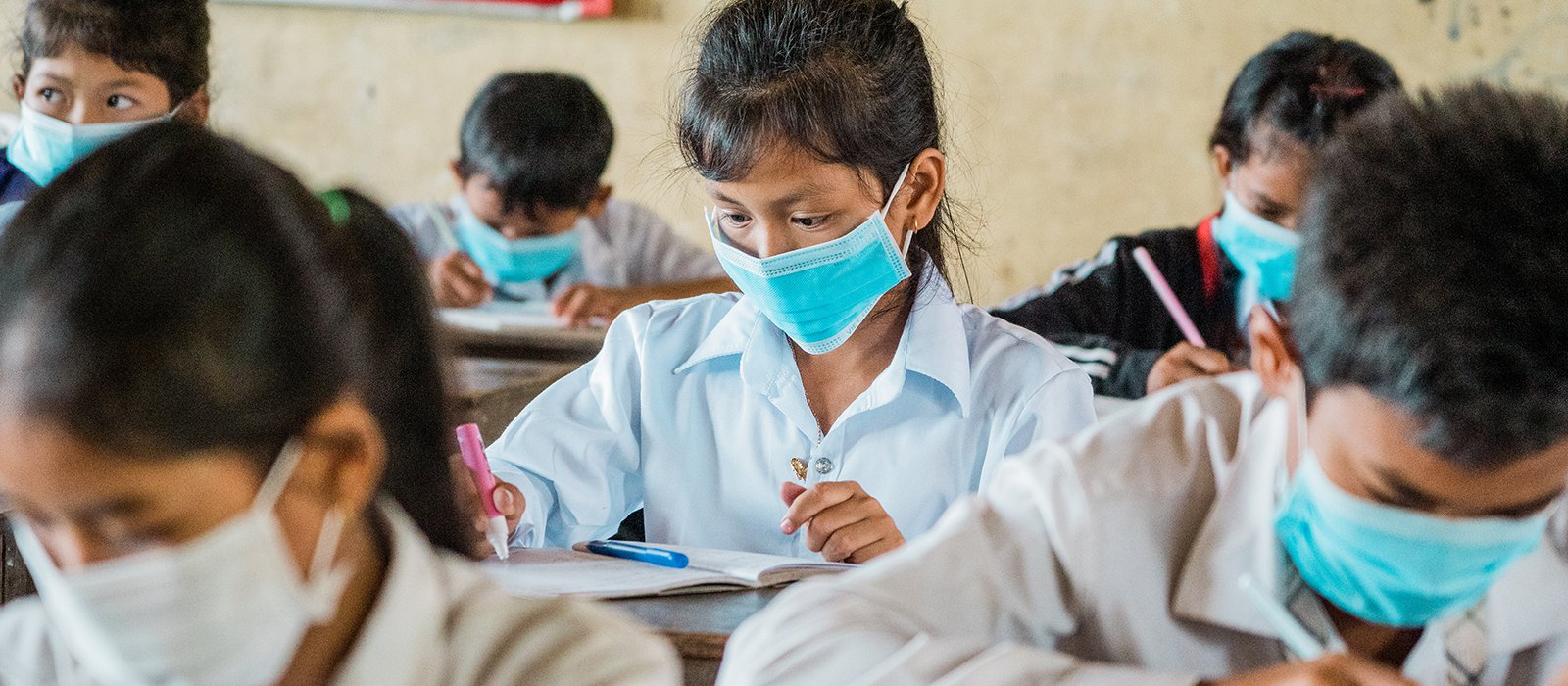
NGO Pratham released Annual Status of Education Report (ASER) 2019 based on a survey conducted in 26 districts across 24 states in India, covering over 36,000 children in the age group of 4-8 years. The report suggests that only 16% of children in class 1 can read text at prescribed level while almost 40% cannot even recognise letters and only 41% of them could recognize two-digit numbers. Report concludes that deficiencies in the pre-primary school system is resulting in a learning crisis which holds especially true for girl’s education. In six out of 24 states, it found that only 25% or less of girls in rural areas were literate.

In a comparative analysis of government and private schools, 41.5% of 6 years old in class 1 from private schools could read words while the stat stands at 19% for government school. Similarly, while 47% of those could do simple addition in private schools, only 28% of those in government school could do the same. This gap is augmented by the fact that only 39% of girls aged 6-8 years are enrolled in private schools in comparison to almost 48% of boys. The survey observed that parents prefer private schools for the education of boys and government schools for girls. 

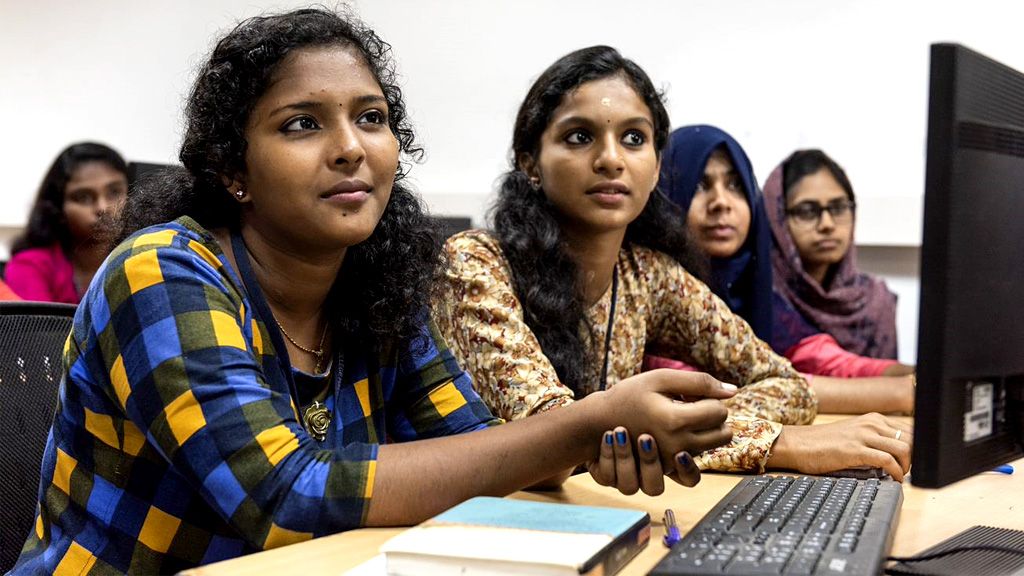
The significant gap between male and female access to education shows the neglect of girl’s education especially in rural India. The 2011 census has shown the female literacy rate is 64% in urban areas and barely half of it in rural areas i.e. 31%. 

Academic Prem Chowdhry in an article in The Tribune says that “girls’ lack of education emerges from expectations, attitudes and biases in communities and families, social traditions, religious and cultural beliefs, all of which limit girl’s educational opportunities.” She says that a significant factor behind illiteracy or restricted literacy of rural girls is their utility in performing household and agricultural chores. The defined gender roles put girls at a vulnerable end where their education can be compromised due to lack of resources to educate. Moreover, lack of educational institutions near the village areas and travelling long distances raises safety concerns for girls, giving reason to not educate girls. She further says that “Education is widely recognised as the gateway to economic security and opportunity, particularly for girls and women. There is little denying the fact that investing in human capital through education is one of the most effective means of reducing poverty and encouraging sustainable development.  However, what needs to change this scenario are not just governmental efforts, but also a change in societal norms, in cultural and traditional biases, and in the general mindset of people.”

TAGGED:Education

Sign Up For Daily Newsletter

Be keep up! Get the latest breaking news delivered straight to your inbox.
By signing up, you agree to our Terms of Use and acknowledge the data practices in our Privacy Policy. You may unsubscribe at any time.
Share This Article
Facebook Threads Copy Link
What do you think?
Love0
Sad0
Happy0
Sleepy0
Angry0
Dead0
Wink0
Previous Article Sex Drive- The journey from Savitri to Slut
Next Article An Inquiry Into the Morals of Marriage
Leave a Comment

Leave a Reply Cancel reply

Your email address will not be published. Required fields are marked *

You Might Also Like

Education

Research Project: Intimate Partner Violence and COVID-19 in India

1 Min Read
International

Iskera and Nolinia Agree to Historic Trade Pact Amid Economic Crisis

4 Min Read
Education

Normalising Sex Education – One Uncomfortable Question At A Time

2 Min Read
Education

Girl’s Education one of the smartest investment to prevent pandemic ‘Lost Generation’, UK Prime Minister Boris Johnson

4 Min Read

The Daily Newsletter

Brings you a selection of the latest news, trends, insights, and tips from around the world.

About US

The Focus Report is your trusted source for comprehensive and balanced news coverage. With a commitment to integrity and accuracy, we provide in-depth reporting that uncovers the stories that matter most.
Support US
  • World
  • International
  • Business
  • Lifestyle
  • Culture
  • Travel
  • Sport

More Links

  • Advertise with us
  • Newsletters
  • Complaint
  • Deal
Subscribe Newsletter
  • Daily Stories
  • Stock Arlets
  • Full Acess
Subscribe to our newsletter to get our newest articles instantly!
Welcome Back!

Sign in to your account

Username or Email Address
Password

Lost your password?